
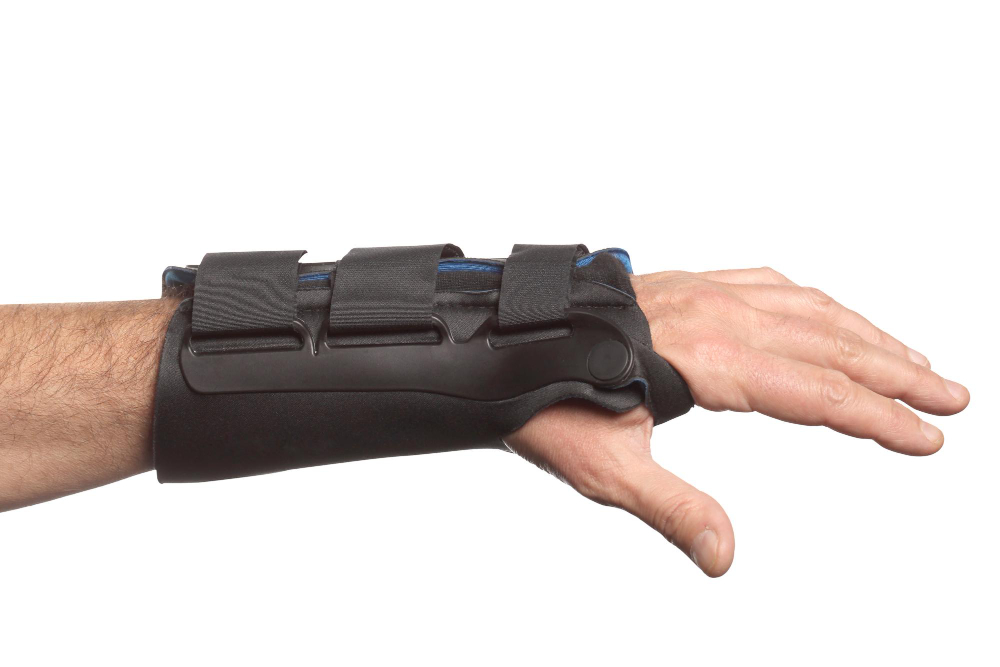
Carpal Tunnel Syndrome is a common hand problem. It causes tingling, numbness, and pain in the wrist and fingers. Many people look for carpal tunnel relief without surgery. Wrist splinting in carpal tunnel syndrome is a simple, non-surgical treatment for carpal tunnel. In fact, learning how to use a wrist splint can help ease symptoms and support recovery. This guide explains what carpal tunnel syndrome is, how wrist splinting helps, and tips for using a wrist splint effectively.
What Is Carpal Tunnel Syndrome?
Carpal Tunnel Syndrome happens when a nerve in your wrist gets squeezed. This nerve is called the median nerve. It runs through a narrow space in your wrist called the carpal tunnel. When the tunnel becomes tight or swollen, the nerve feels pressure. As a result, you may notice:
According to the Centers for Disease Control and Prevention (CDC), carpal tunnel syndrome affects millions of people each year. Early treatment can help prevent lasting problems.
How Does Wrist Splinting Help?
Wrist splinting in carpal tunnel syndrome keeps your wrist straight. This position reduces pressure on the median nerve. Because the nerve is less squeezed, symptoms like pain and tingling often improve. Many doctors suggest wearing a wrist splint at night. While you sleep, your wrist may bend without you knowing. A splint keeps it in a safe, neutral position. For some people, wearing a splint during the day also helps, especially during activities that trigger symptoms.
When to Use a Wrist Splint
Wrist splinting is often the first step in non-surgical treatment for carpal tunnel. You should consider using a wrist splint if you:
However, if your symptoms are severe or last a long time, you may need other treatments. Always talk to your doctor before starting any new treatment.
How to Choose and Wear a Wrist Splint
Choosing the right wrist splint is important for comfort and relief. Here are some tips:
To wear a wrist splint correctly:
If you feel pain or numbness while wearing the splint, adjust it or talk to your doctor.
Benefits and Limitations of Wrist Splinting
Wrist splinting in carpal tunnel syndrome offers several benefits. For example, it is easy to use and does not involve medicine or surgery. Many people notice less pain and better sleep. In addition, splinting can help prevent symptoms from getting worse.
However, wrist splinting has some limits. It may not work for everyone, especially if symptoms are severe. Sometimes, splinting only helps while you wear it. If symptoms return when you remove the splint, you may need other treatments. According to the National Institutes of Health (NIH), splinting works best for mild or early cases.
Tips for Comfort and Effectiveness
To get the most from your wrist splint, try these tips:
With these steps, you can improve comfort and support your recovery.
When to See a Specialist
Sometimes, wrist splinting in carpal tunnel syndrome is not enough. You should see a specialist if you:
Early help from a doctor or physiotherapist can prevent lasting damage. They may suggest other treatments, such as physical therapy or surgery, if needed.
For the best results, always consult a healthcare professional or physiotherapist for advice tailored to your needs.