What Is Sciatica?
Sciatica is a type of pain that starts in the lower back and travels down one leg. Often, this pain is caused by pressure on the sciatic nerve. The sciatic nerve is the longest nerve in your body. It runs from your lower back through your hips and down each leg. Because of this, sciatica can cause pain, tingling, or numbness in your back, buttocks, and legs. Sometimes, the pain can feel sharp or burning. However, it can also feel like a dull ache. Sciatica is common and can affect people of all ages.
How Physiotherapy Helps Sciatica
Physiotherapy for sciatica is a safe and effective way to manage pain. It helps by improving movement, reducing pressure on the nerve, and strengthening muscles. In many cases, physiotherapists use gentle exercises and stretches to ease pain. For example, they may teach you how to move safely and avoid positions that make pain worse. In addition, physiotherapy can help prevent sciatica from coming back. According to the World Health Organization, exercise and movement are key parts of recovery for back pain and nerve pain.
Understanding the Pelvic Tilt Exercise
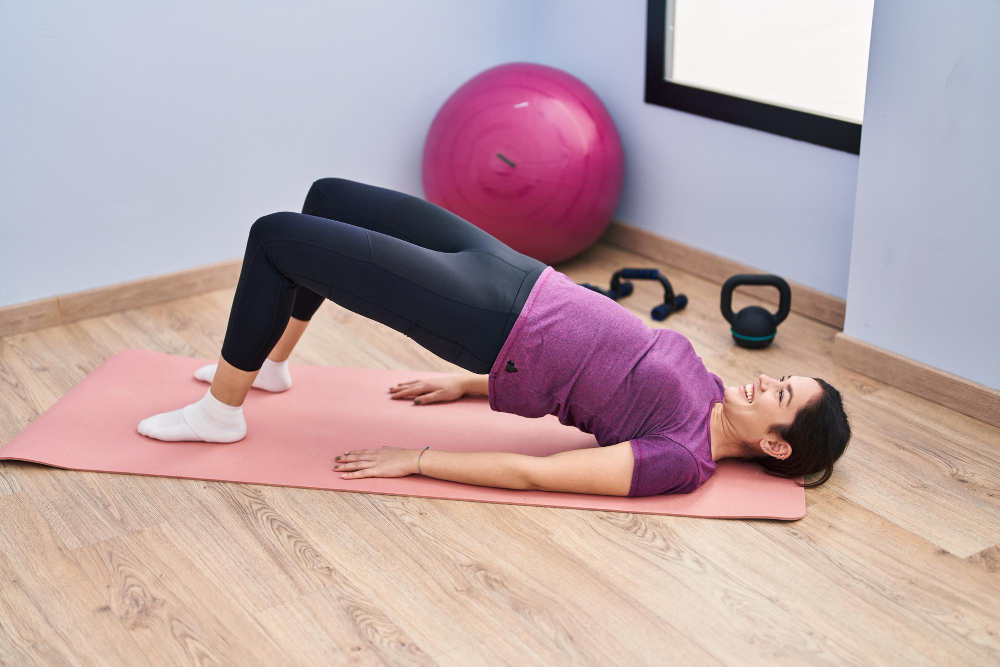
The pelvic tilt exercise for sciatica is a simple movement that targets your lower back and stomach muscles. When you do this exercise, you gently rock your pelvis back and forth. As a result, you help reduce pressure on your sciatic nerve. This exercise is often recommended as one of the safe exercises for sciatica. It is easy to do at home and does not require special equipment. However, you should always check with your physiotherapist before starting any new exercise.
Step-by-Step Guide: Performing Pelvic Tilt for Sciatica
Follow these steps to perform the pelvic tilt exercise safely:
For best results, perform this exercise on a firm, comfortable surface. If you feel pain, stop and consult your physiotherapist.
Benefits and Precautions
Pelvic tilt exercise for sciatica offers several benefits:
However, there are some precautions to keep in mind:
Remember, every person is different. Because of this, what works for one person may not work for another.
Lifestyle Tips for Sciatica Relief
Along with sciatica pain relief exercises, small changes in your daily life can help. Here are some tips:
In addition, try to avoid lifting heavy objects or twisting your back suddenly. These steps can help prevent flare-ups.
When to Consult a Physiotherapist
Although many people find relief with home exercises, sometimes you need expert help. You should see a physiotherapist if:
Moreover, a physiotherapist can guide you with hands-on care and tailored advice. If you are searching for sciatica physiotherapy near you, ask your doctor for a referral.
In summary, pelvic tilt exercise for sciatica is a gentle way to ease pain and support recovery. However, always consult a physiotherapist for advice that fits your needs. Your health and comfort come first.