Introduction to Cupping Therapy
Cupping therapy is becoming more popular in physical medicine and rehabilitation. Many people use it to help with pain, muscle tightness, and stress. In this guide, you will learn about the different types of cupping therapy, their benefits, and safety tips. If you are curious about cupping therapy, this article will help you understand what to expect.
What is Cupping Therapy?
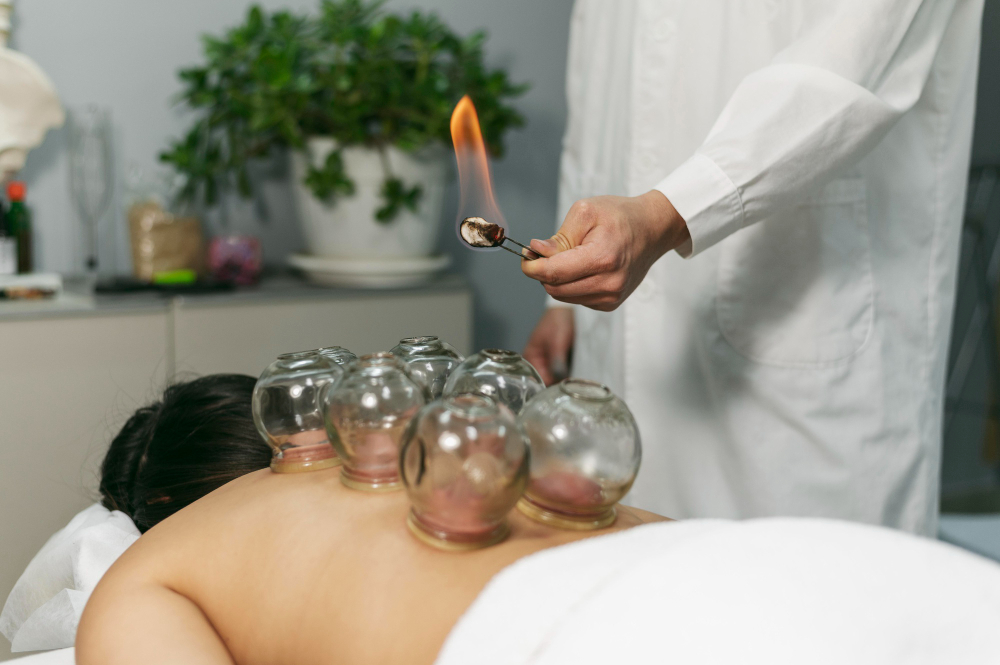
Cupping therapy is an ancient healing method. It uses special cups placed on the skin to create suction. This suction may help improve blood flow, reduce pain, and relax muscles. People often use cupping therapy as part of physiotherapy or physical medicine treatments. Some believe it helps the body heal faster after injury or exercise.
Types of Cupping Therapy
There are several types of cupping therapy. Each type uses a different method to create suction and treat the body. Below, you will find the most common types:
Each type of cupping therapy has its own uses and benefits. You should talk to a qualified practitioner to find the best option for you.
Benefits and Risks
Cupping therapy offers several possible benefits. However, it also has some risks. Here are the main points to consider:
But, there are also risks. For example, you may notice bruising, mild discomfort, or skin irritation. Wet cupping can increase the risk of infection if not done properly. According to the World Health Organization (WHO), always choose a trained and licensed practitioner to reduce risks.
Who Should Avoid Cupping Therapy?
Although cupping therapy is safe for many people, some should avoid it. You should not try cupping therapy if you:
Always talk to your doctor before starting cupping therapy, especially if you have health concerns.
How to Find a Qualified Practitioner
Finding a skilled therapist is important for safety and results. Here are some tips to help you:
If you are searching for cupping therapy in your city, use trusted medical directories or local hospital websites.
Frequently Asked Questions
Conclusion and Next Steps
In summary, cupping therapy is a popular option in physical medicine and rehabilitation. There are many types, such as dry, wet, fire, and moving cupping. Each type has its own benefits and risks. If you are interested in trying cupping therapy, consult a qualified physiotherapist or healthcare provider before starting. They can help you decide if it is right for you and ensure your safety.